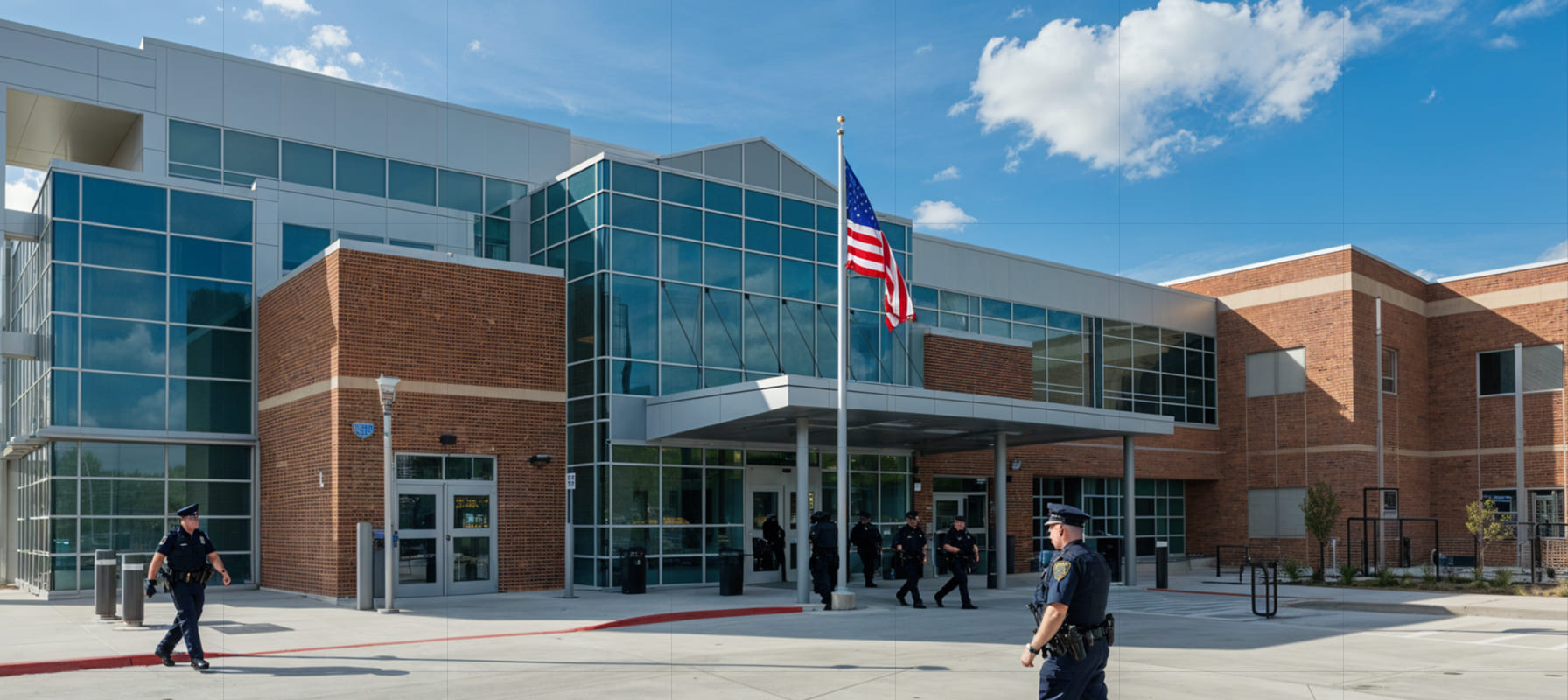
Glass Clad Polycarbonate
Thompson Innovative Glass manufactures Glass Clad Polycarbonate, a low-spall, bullet-resistant glazing that combines glass and polycarbonate layers under its Defender® line.
- Levels
- 1
- 2
- 3
- 4
- 5





Glass-Clad Polycarbonate Bullet-Resistant Glass
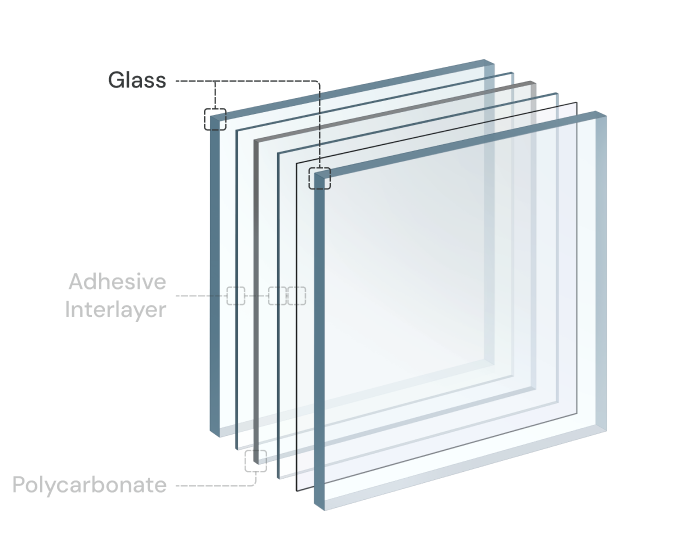
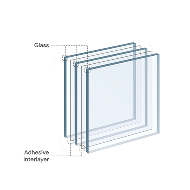
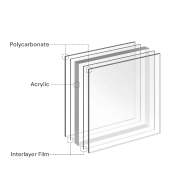
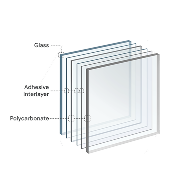
This low spall polycarbonate bullet proof glass laminate is a combination of glass and polycarbonate layers bonded together with adhesive interlayers. This low spall product is fabricated with a layer of glass on the protection side (or interior surface) of the unit. The glass interior surface is a much harder surface than polycarbonate and therefore less likely to be damaged from improper cleaning or neglect.
It combines the strength and impact resistance of glass with the lightness and flexibility of polycarbonate. The benefit of glass clads include low spalling, excellent resistance to impact and penetration, and enhanced resistance to forced entry. It is frequently used in applications such as courtroom enclosures, banks, retail stores, schools, hospitals, utility companies, and police stations.
Make-Up Features
Glass
The glass layers provide structural integrity and rigidity of the unit. Glass causes the bullet to flatten upon impact and consequently reduces its velocity and disperses the kinetic energy over a broader area. The glass properties (thickness, annealed, heat-treated etc.) and number of layers varies by product. Available glass options vary by offering and include tints, reflective, bird-friendly, low-e, and low iron.
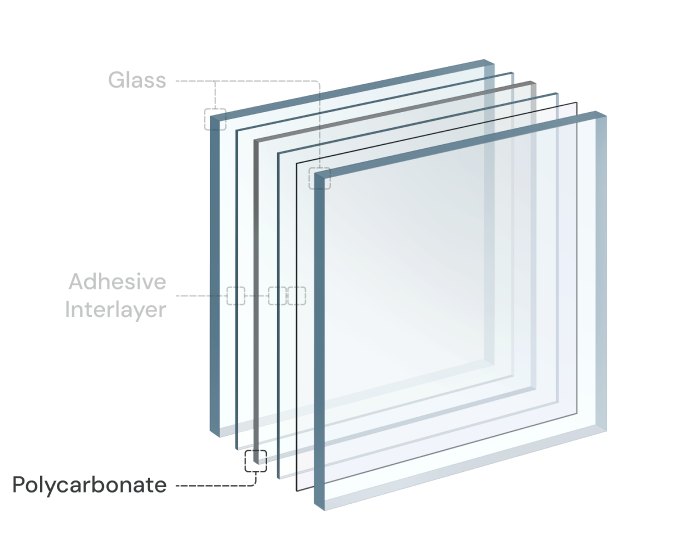
Polycarbonate
Thompson utilizes an optical grade Polycarbonate, a thermoplastic material known for its clarity, durability and strength. As the two outer layers of this makeup, they are responsible for absorbing and dispersing the energy of the bullet or projectile upon impact. Compared to a regular glass product, Polycarbonate’s strength makes it less likely to shatter upon impact which is an essential factor in the performance of the glass and the application.
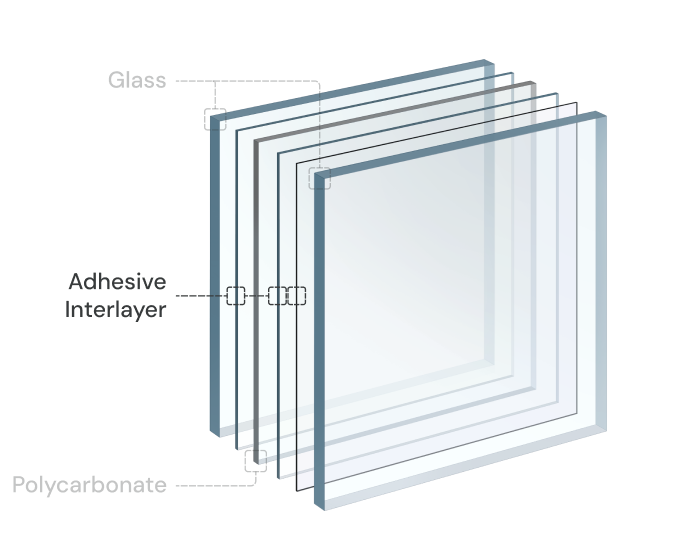
Adhesive Interlayers
Thompson uses both high optical grade polyvinyl butyral (PVB) and thermoplastic polyurethane (TPU) to bond multiple layers of glass and/or polycarbonate. The interlayers act as the “glue” that hold the various layers together. TPU is known for its adhesion, flexibility and ability to absorb impact energy, making it appropriate for use in bullet-resistant glass constructions.
Ballistic Protection
The below chart refers to how much ballistic protection this Glass Clad Polycarbonate product provides, based on standardized testing. In the U.S., bullet-resistant glass is rated by UL 752, the standard for bullet-resistant materials set by Underwriters Laboratories (UL).
It defines testing methods and performance criteria for bullet-resistant glass, doors, panels, and other protective materials. and classified into a range of levels.
 9mm Pistol
  9mm Full Metal Copper
 .357 Magnum Pistol
  .357 Magnum Jacketed Lead Soft Point
  .44 Magnum Pistol
  .44 Magnum Lead Semi-Wadcutter
  .30 Caliber Rifle
  .30 Caliber Lead Core Soft Point
  7.62 Rifle
  7.62mm Full Metal Copper Jacket Military Ball
 Get Expert Guidance on Defender Glass
Check with the Thompson Innovative Glass team for more details and options from our Defender line to find the right one for you and your application.

Options

Tints
Available tints include a variety of grays, bronzes, blues, and greens. Contact Thompson Innovative Glass for more specific details and samples.

Reflective
Thompson Innovative Glass carries reflective glass with varying performance & reflectance. Contact us for more specific details and samples.

Bird-Friendly
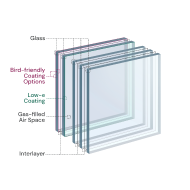
Thompson Innovative Glass offers a full range of bird-friendly glass options.

Low-E
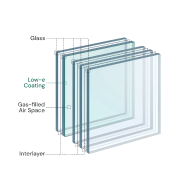
We have Low-emissivity glass with varying performance. We can find the right one for you. Contact us for more specific details and samples.

Low Iron
Thompson Innovative Glass offers “low iron” glass, which has reduced iron content for a lighter blue edge and higher light transmission. Contact us for more specific details and samples.
Applications-Security and Protection
Glass Clad Polycarbonate security glazing is a critical component in protecting people and property across a wide range of high-risk environments. This specialized glazing solution is trusted wherever enhanced security and peace of mind are essential, from public institutions to private facilities. Common applications include:

Places of Worship
Houses of worship often require protective glazing that balances aesthetics with security, helping safeguard congregants while maintaining natural light and architectural beauty.

Airports
Airports demand durable, high-performance glazing for passenger safety, blast resistance, and operational security in high-traffic terminals and control areas.

Schools
Security glazing enhances school safety by resisting forced entry and delaying intruders, providing critical response time without compromising light, visibility, or design.

Corporate Offices
Modern offices benefit from glass that provides energy efficiency and acoustic comfort—along with optional forced-entry and ballistic resistance for high-security needs.

Correctional Facilities
Glazing in correctional environments must meet rigorous standards for containment, safety, and visibility while withstanding impact and tampering.

Data Centers
Mission-critical data centers use Glass Clad Polycarbonate to protect sensitive infrastructure while keeping installation weight to a minimum.
Maximum Size

Maximum size for Glass Clad
72″ x 130″
Your Guide to Bullet Resistant Glass Options
Discover all bullet-resistant glass options in our brochure.
Download Now
Frequently Asked Questions About Glass Clad Polycarbonate
What makes Glass Clad bullet-resistant glass different from an All Glass construction?
Thompson’s Glass Clad construction combines layers of glass and optical-grade polycarbonate bonded with specialized interlayers. The glass provides rigidity and helps disperse the projectile’s energy, while the polycarbonate contributes strength, flexibility, and impact resistance. This hybrid construction provides excellent ballistic protection while generally offering a lighter alternative to an all-glass makeup.
What does “low spall” mean with Thompson Glass Clad?
Thompson’s Glass Clad is designed as a low-spall bullet-resistant product, meaning the construction is engineered to minimize fragmentation on the protection side following ballistic impact. It features glass on the interior surface, providing a hard, durable surface that is also less susceptible to damage from cleaning and routine maintenance than exposed polycarbonate.
What ballistic protection levels and glass options are available?
Thompson offers Glass Clad configurations for UL 752 Levels 1 through 5, providing protection against a range of handgun and rifle threats. Depending on the project, available glass options can also include tints, reflective glass, Low-E coatings, low-iron glass, and bird-friendly solutions, allowing security requirements to be balanced with performance and aesthetics.